

Chiropractic Adjustments Built Around Your Spine, Not a Formula
Every adjustment we deliver starts with a complete picture of your spine — not a generic protocol applied the same way to every patient who walks through the door. Our approach to chiropractic adjustments in Palm Beach Gardens is rooted in precise spinal analysis, which means the technique, force, and direction of every correction are chosen deliberately based on your structure, your nervous system, and where you are in your care plan.
Precise, Not Forceful — What Sets This Approach Apart
Chiropractic has a reputation problem that most practices don't address directly. If you've heard the stories — too aggressive, too loud, too much force — or if you've had a poor experience somewhere else, we want to be straightforward with you.
We do not use a one-size-fits-all spinal manipulation technique. Before your first adjustment, we conduct a full structural and neurological exam. That exam tells us exactly where restricted movement exists, what's driving it, and which correction approach your body will respond to best. Technique is adapted to your comfort and your anatomy — not to a default setting.
The goal is structural correction, not a dramatic pop. Some patients hear an audible release. Many don't. Neither outcome is the measure of whether an adjustment worked.
What Happens During Your First Adjustment Visit
Your first visit is not a walk-in-and-get-cracked experience. It follows the same four-step journey every SEVA patient moves through: a full consultation, a comprehensive structural exam, a Report of Findings where we walk you through exactly what we found and why, and then — when you're ready — your first supported correction.
By the time you're on the table, you already know what we're addressing and what the adjustment is intended to accomplish. Nothing happens without your understanding and your consent.
That transparency isn't a courtesy — it's the clinical foundation of care that actually holds.
Every Adjustment Has a Reason Behind It
A spinal adjustment is the gold standard in evidence-based structural correction, but it should never be the beginning and end of the conversation. At SEVA, each adjustment is one deliberate step inside a three-phase care plan — Relief, Rebalance, and Reconnect — designed to resolve the root cause of your symptoms, not just manage them visit to visit.
What this means in practice:
- Your adjustment technique may evolve as your spine responds and your structure improves
- We track progress against measurable outcomes, not just how you feel walking out the door
- Adjustments are coordinated with any SoftWave therapy or Ayurvedic wellness work in your plan, so every modality is pulling in the same direction
- Low patient volume means Dr. Patel is present with you — not cycling through a full waiting room
What Chiropractic Adjustments Can Address
Spinal adjustment is most commonly associated with back and neck pain, but restricted spinal movement affects far more than the area that hurts. Conditions we regularly address through structural correction include:
- Neck pain and cervicogenic headaches
- Lower back pain and lumbar stiffness
- Mid-back tension and thoracic restriction
- Postural dysfunction and forward head carriage
- Sciatica and radiating nerve symptoms
- Shoulder and hip imbalances tied to spinal misalignment
If you're unsure whether your symptoms are structural in origin, a complimentary consultation is the right place to start — not a guess.
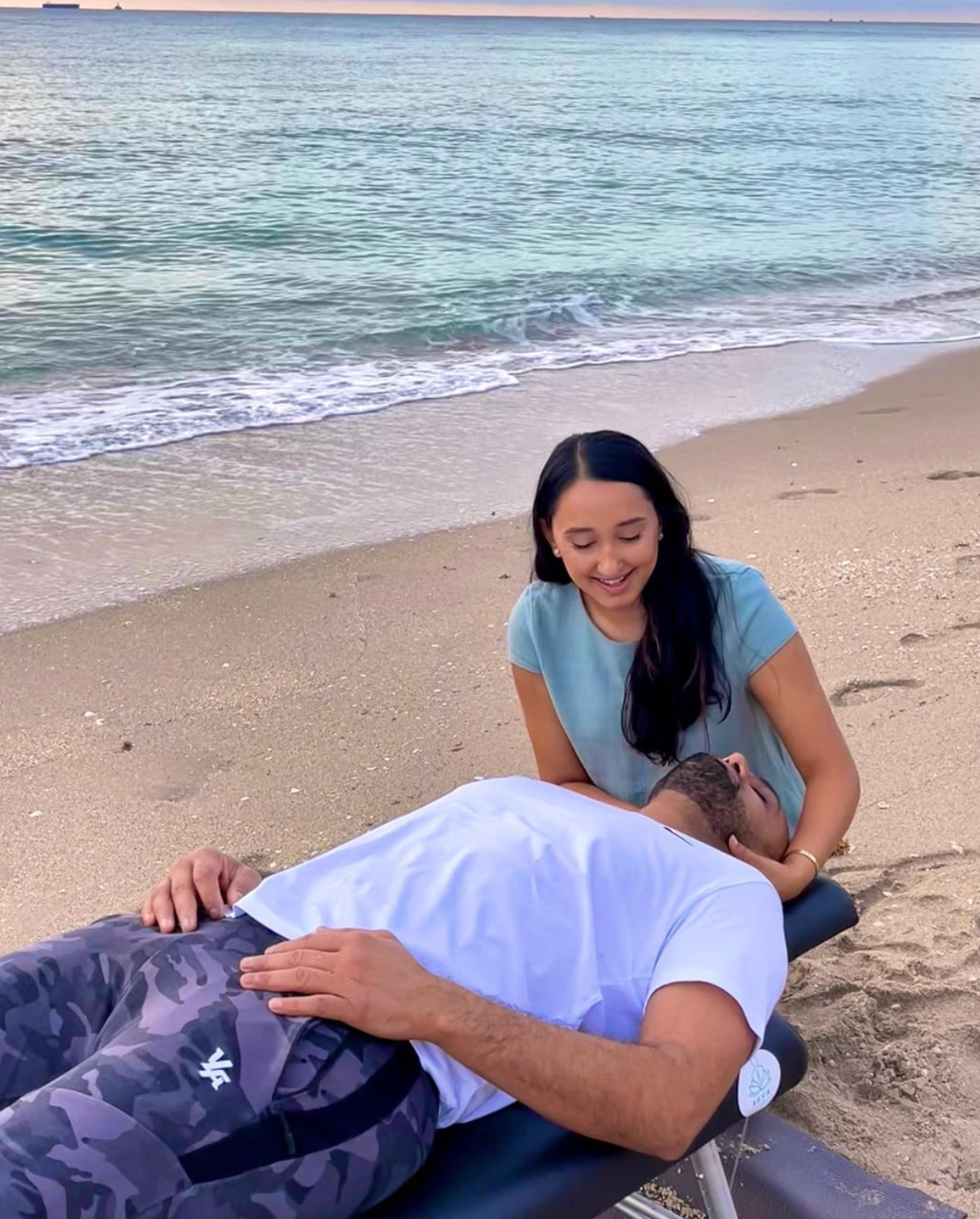
Frequently Asked Questions About Chiropractic Adjustments
Does a chiropractic adjustment hurt?
Most patients describe the sensation as pressure followed by relief, not pain. Because we conduct a full spinal analysis before your first adjustment, technique is selected and calibrated to your structure and comfort level. If anything feels wrong during a correction, we stop and reassess — that's built into how we work.What does "gentle chiropractic technique" actually mean?
It means the force and method of each adjustment are matched to what your spine needs — not applied at a default intensity. Some patients require very light mobilization. Others respond better to a more direct correction. We determine which approach is appropriate through your exam, not by guessing.How is a chiropractic adjustment different from spinal manipulation?
The terms are often used interchangeably. Spinal manipulation is the broader clinical term for any technique that restores movement to a restricted joint. A chiropractic adjustment refers specifically to the precise, controlled application of that technique by a licensed chiropractor following a structural assessment. At SEVA, every adjustment is preceded by that assessment — it's not a standalone procedure.How many adjustments will I need?
That depends on what your exam reveals and what you're trying to accomplish. After your Report of Findings, Dr. Patel will outline a care plan with a clear timeline and measurable goals. We don't put patients on indefinite adjustment schedules without a clinical reason. I had a bad experience with a chiropractor before. Should I still come in? Yes — and that experience is worth telling us about. A prior adjustment that felt too forceful, caused a flare-up, or simply didn't help tells us something useful about your history. We start every new patient relationship with a full exam precisely so we're not repeating someone else's approach.