

If You've Been Told to Just Live With It, We'd Like to Take a Closer Look
Many people arrive at SEVA Chiropractic & Wellness not knowing whether their pain is "a chiropractic problem." That uncertainty is reasonable — and it's exactly why every care plan begins with a full neurological and orthopedic exam, not a treatment assumption. Whether you're managing one persistent condition or several overlapping ones, we build your plan around what your body is actually showing us.
Back Pain: Mechanical, Chronic, and Everything in Between
Back pain is the most common reason people seek chiropractic care — and also the most mismanaged. Many patients have tried rest, anti-inflammatories, or generic exercises with limited results because the mechanical source of the pain was never properly identified. Structural misalignment, disc pressure, and joint dysfunction can each produce similar symptoms but require different approaches.
We assess the specific spinal segments involved before recommending any treatment. For patients with disc-related back pain, chiropractic adjustments can reduce nerve pressure and restore joint mobility. When soft tissue inflammation or degenerative change is part of the picture, SoftWave therapy may be integrated into the care plan to support cellular repair alongside structural correction.
Sciatica and Radiating Leg Pain: Tracing the Signal to Its Source
Sciatica describes pain that travels from the lower back through the hip and down one or both legs — a pattern most people recognize immediately. What they don't always know is that sciatic nerve irritation typically originates in the lumbar spine, where disc herniation, bone spur formation, or vertebral misalignment compresses the nerve root before the pain is ever felt in the leg.
Chiropractic care for sciatica focuses on decompressing that nerve root through targeted spinal adjustments and restoring proper alignment so the compression doesn't recur. Patients with herniated disc involvement often respond well to a combined approach that includes SoftWave therapy to reduce localized inflammation and support tissue recovery.
- Radiating pain, numbness, or tingling down the leg
- Pain that worsens with prolonged sitting or standing
- Lower back stiffness accompanying leg symptoms
- Symptoms that flare after specific movements or positions
If your sciatica has been unresponsive to other treatments, a structural exam may identify what earlier approaches missed.
Neck Pain and Posture-Driven Tension: When Your Spine Is Carrying Your Stress
Neck pain rarely exists in isolation. It is almost always connected to how the cervical spine is positioned throughout the day — and for most adults, that means hours of forward head posture in front of screens, in cars, and at desks. Over time, this postural load shifts weight onto the lower cervical vertebrae, compresses the surrounding joints, and creates the chronic stiffness and aching that many people accept as normal.
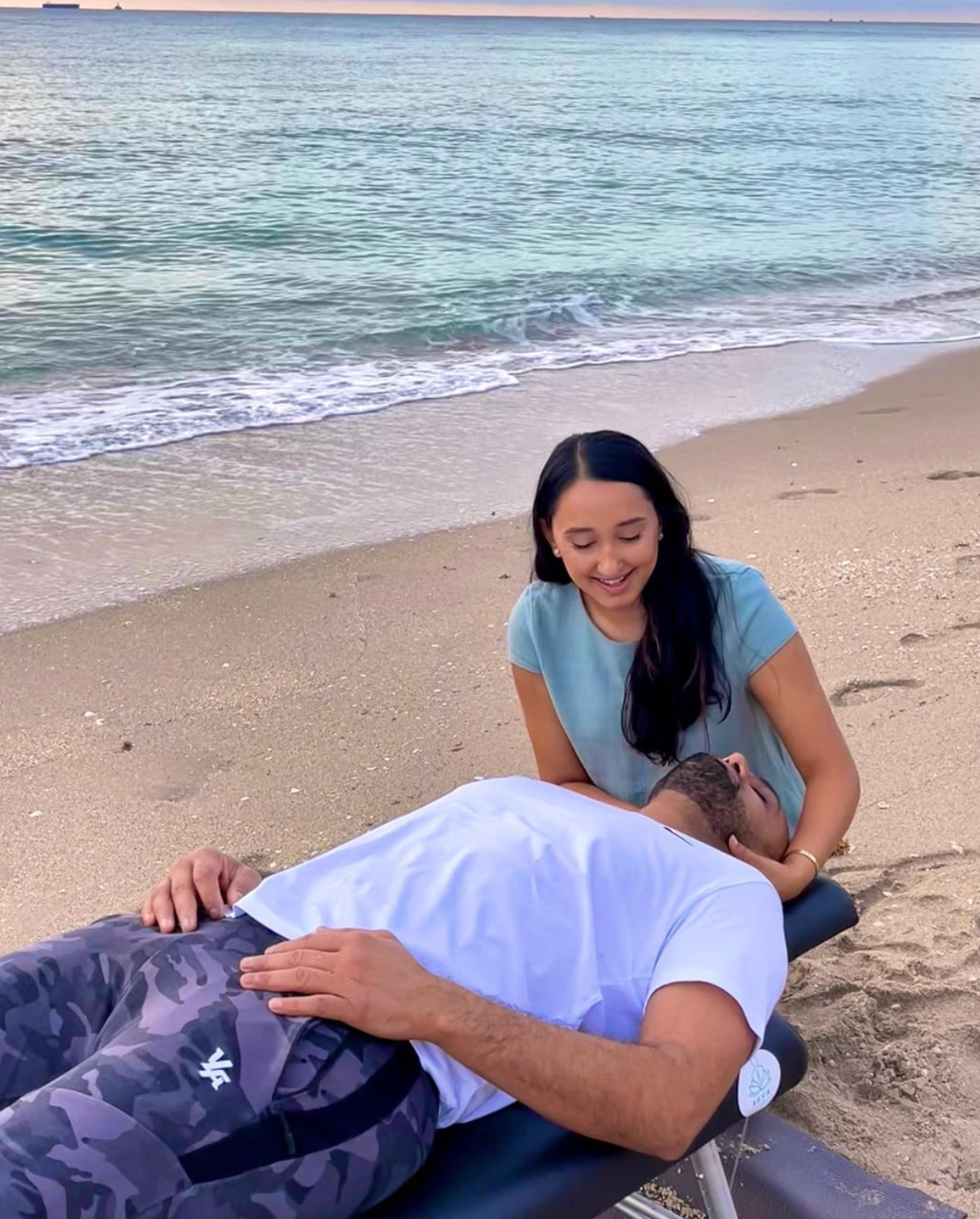
Chiropractic adjustments restore proper cervical alignment and joint mobility. When neck pain is accompanied by significant postural distortion, posture correction becomes a core part of the care plan — addressing the structural pattern driving the tension, not just the tension itself.
Headaches and Migraines: What the Cervical Spine Has to Do With It
Cervicogenic headaches — those originating in the neck and upper spine — are among the most underdiagnosed headache types. They are often mislabeled as tension headaches or migraines and managed with medication rather than addressed at the source. If your headaches are accompanied by neck stiffness, worsen with certain postures, or follow a consistent pattern tied to screen time or stress, there is a strong likelihood that cervical joint dysfunction is contributing.
Chiropractic care for headaches targets the upper cervical spine and the suboccipital muscles at the base of the skull. Restoring proper joint movement in this region reduces the nerve irritation and muscular tension that feed headache cycles. Patients who have lived with frequent headaches for years are often surprised by how much structural correction changes the frequency and intensity of their episodes.
Common Questions About Chiropractic Care for These Conditions
Can a chiropractor help with sciatica, or do I need to see a specialist first?
Chiropractic care is one of the most clinically supported first-line approaches for sciatica caused by lumbar disc herniation or spinal misalignment. Most patients do not need a specialist referral before seeking chiropractic evaluation. If your exam reveals a condition outside our scope — such as a fracture or a neurological emergency — we will refer you to the appropriate provider and coordinate your care from there.How do I know if my chronic headaches are related to my spine?
Headaches that follow neck stiffness, worsen with certain postures, or appear consistently after prolonged screen time are strong indicators of a cervical component. A neurological and orthopedic exam can identify whether joint dysfunction in the upper cervical spine is contributing to your headache pattern. If the headaches are purely vascular or neurological in origin, we will tell you that clearly and point you toward the right care.Is chiropractic care appropriate for herniated discs, or will it make things worse?
Chiropractic adjustments for herniated discs are performed with specific, controlled techniques — not the forceful manipulations some patients worry about. Many herniated disc patients experience significant relief through gentle spinal decompression and targeted adjustments that reduce nerve pressure. We review imaging and conduct a thorough exam before any adjustment is performed, so the approach is always matched to what your spine can safely tolerate.I have multiple issues at once — back pain, neck tension, and headaches. Do I need to see different providers for each?
Not necessarily. Overlapping conditions like these are often structurally connected — neck posture contributes to both cervical tension and headache patterns, while lumbar misalignment can affect how the entire spine loads. A single integrated exam at SEVA allows us to map those relationships and build one care plan that addresses the full picture, rather than treating each symptom in isolation.