
Shirodhara & Kansa Foot Therapy in Palm Beach Gardens
A warm stream of oil. A grounding touch at the feet. A nervous system that finally stops bracing. This is not a spa treatment dressed in Sanskrit — it is a clinically informed, Ayurvedically rooted therapy designed to shift your physiology out of the stress state it has been living in.
What Actually Happens During a Shirodhara Session
Many people hesitate to book because they do not know what to expect. Here is exactly what the session looks like, from the moment you arrive to the moment you leave.
Arrival and Brief Intake
We begin with a short conversation about how you are feeling — physically, mentally, and energetically. This informs the oil selection and the pace of the session. You remain fully clothed from the neck down throughout.
Warm Oil Preparation
A therapeutic-grade Ayurvedic oil is warmed to a precise temperature suited to your dosha and current state. The warmth is consistent and intentional — not incidentally relaxing, but calibrated to support nervous system downregulation.
Shirodhara Application
You lie comfortably on the treatment table. A slow, continuous stream of warm oil is poured in a gentle, rhythmic pattern across the forehead and scalp. The movement is deliberate and uninterrupted. Most patients notice a shift in their mental state within the first few minutes — a quieting that is distinct from simply closing your eyes.
Kansa Foot Therapy
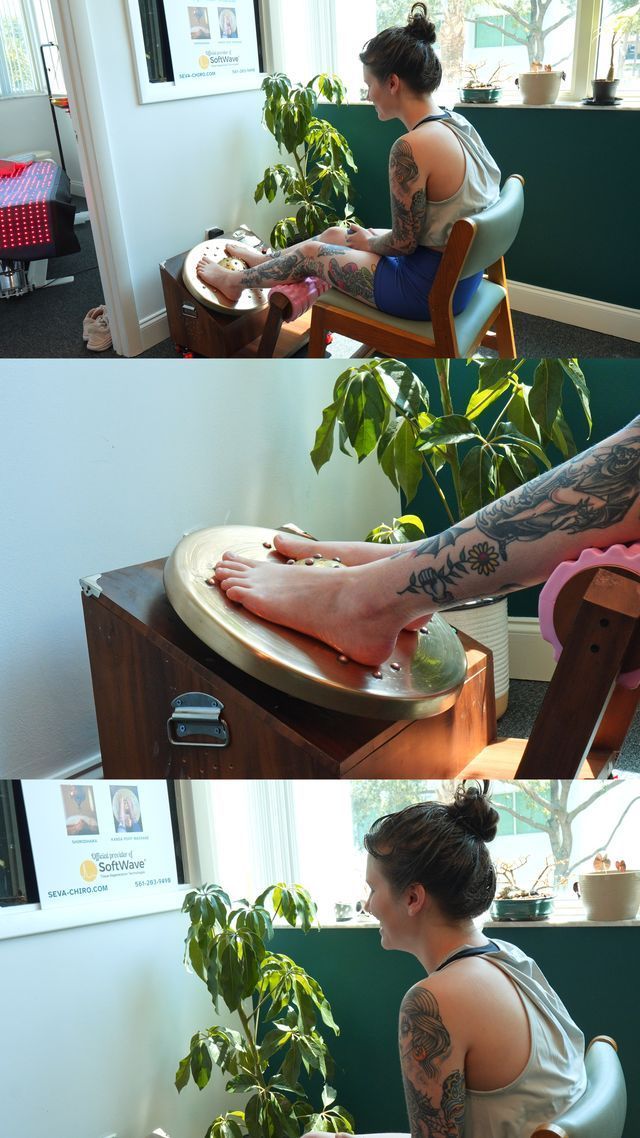
While the Shirodhara oil is absorbed, we transition to the feet. Kansa — a traditional Ayurvedic metal alloy — is used to work the soles, arches, and marma points of the feet. This grounds the session physiologically, completing the calming circuit that Shirodhara begins at the crown.
Integration and Closing
The session closes with a few quiet minutes of rest. We offer guidance on what to expect in the hours following — including the importance of avoiding cold exposure, heavy meals, and overstimulation immediately after treatment.
Why Your Nervous System Needs More Than Rest
Most people who come to us for Shirodhara have already tried rest. They sleep, they take breaks, they go on vacations — and the tension follows them. That is because chronic stress does not live in your schedule. It lives in your nervous system, encoded into the way your body holds itself, braces against sensation, and interprets the world around it.
Shirodhara works at that physiological level. The continuous, rhythmic application of warm oil to the forehead activates the parasympathetic nervous system — the branch responsible for restoration, digestion, and genuine recovery. Paired with Kansa foot therapy, which draws on Ayurvedic marma point work at the soles and ankles, the session creates a full-circuit calming effect that reaches from the crown of the head to the ground beneath you.
This is calm you can feel in your body, not just your mood.
Who This Treatment Is For
Shirodhara and Kansa foot therapy are appropriate for a wide range of patients, but they tend to produce the most meaningful results for people in a specific kind of distress: chronically activated, intellectually aware that they need to slow down, and unable to get there on their own.
This treatment is a strong fit if you are experiencing:
- Persistent anxiety or nervous tension that does not resolve with rest
- Sleep disruption, racing thoughts, or difficulty unwinding at night
- Stress-driven physical symptoms such as jaw clenching, neck tightness, or shallow breathing
- Burnout that feels physical, not just emotional
- A desire to support your chiropractic care with a deeper nervous system reset
These therapies are offered as part of our integrative care model at SEVA — not as a standalone wellness menu item. They are most effective when paired with a structural understanding of what your body is holding and why.
How This Fits Into Your Care at SEVA
Shirodhara and Kansa foot therapy sit within the Rebalance and Reconnect phases of our three-phase care philosophy. Once the immediate structural work of chiropractic correction is underway, the nervous system often needs its own form of recalibration — especially for patients whose pain and tension have been driven by chronic stress rather than a single injury.
Dr. Patel integrates these Ayurvedic therapies not as an add-on to chiropractic care, but as a genuine second discipline. Understanding your dosha and constitutional tendencies shapes how these sessions are approached, what oils are selected, and how the treatment sequence is paced. If you have not yet completed the Elemental Blueprint Quiz, it takes two minutes and gives us meaningful insight before your first session.
Common Questions About Shirodhara and Kansa Foot Therapy
What is Shirodhara and how does it calm the nervous system?
Shirodhara is an Ayurvedic therapy in which warm, medicated oil is poured in a continuous stream over the forehead and scalp. The rhythmic, uninterrupted sensation activates the parasympathetic nervous system — the branch responsible for rest and restoration — producing a physiological calming effect that goes beyond relaxation. Research into the vagal nerve response to forehead stimulation supports what Ayurvedic practitioners have observed for centuries: the technique genuinely shifts the body's stress state at a neurological level.
What happens during a Shirodhara session at SEVA?
Your session begins with a brief intake conversation, followed by warm oil preparation tailored to your constitution and current state. You lie comfortably while a slow, rhythmic stream of warm oil is applied to your forehead and scalp for an extended period. Kansa foot therapy follows, working the marma points of the feet to complete the calming circuit. The session closes with a short period of rest and guidance on post-treatment care.
Is Shirodhara appropriate if I'm already receiving chiropractic care?
Yes — and in many cases the two modalities work well together. Chiropractic care addresses structural tension in the spine and nervous system pathways; Shirodhara addresses the autonomic nervous system's chronic activation pattern. For patients whose pain has a significant stress component, combining structural correction with nervous system calming often produces faster and more lasting results than either approach alone.
How is Kansa foot therapy different from a regular foot massage?
Kansa foot therapy uses a dome-shaped tool made from a traditional Ayurvedic metal alloy — a combination of copper, tin, and zinc — to work specific marma points on the soles and ankles. These points correspond to organ systems and energy channels in Ayurvedic anatomy. The metal itself is believed to draw out excess heat and acidity from the body, and the technique is distinct from reflexology in both its tools and its theoretical framework. Most patients describe a deep grounding sensation that is noticeably different from conventional massage.